
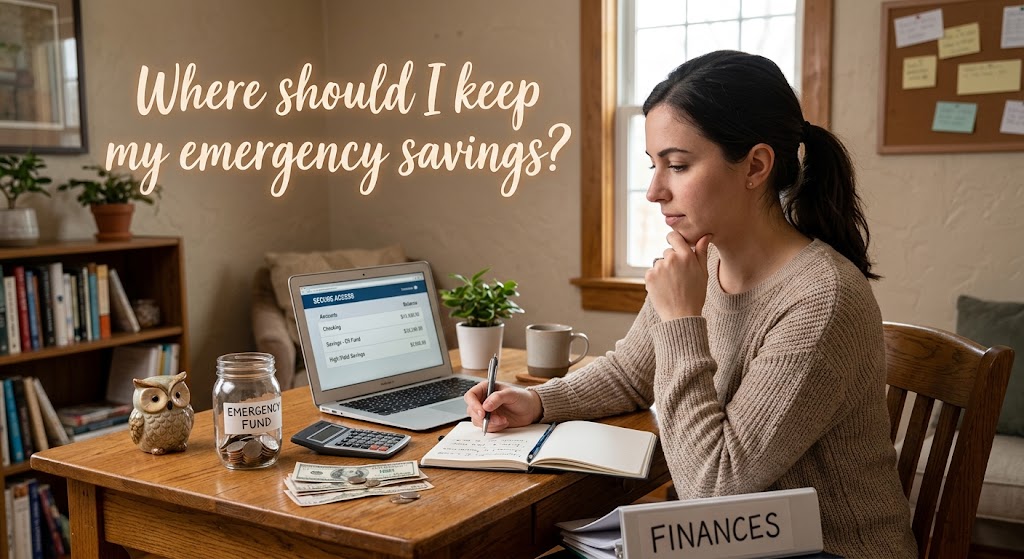
Where should I keep my emergency savings?
Where should I keep my emergency savings? It is one of the most important personal finance questions anyone can ask, yet it is also one of the most misunderstood. Many people understand the importance of having an emergency fund, but far fewer understand where that money should actually be kept. Some leave it in a current account, others hide cash at home, while some are tempted to invest it in the hope of earning higher returns. The reality is that the location of your emergency savings can be just as important as the amount you save.
An emergency fund serves a specific purpose. It exists to protect you when life becomes unpredictable. Emergencies rarely arrive with a warning. A sudden job loss, unexpected medical expense, urgent home repair, vehicle breakdown, business setback or family crisis can create financial pressure almost overnight. When these situations occur, your emergency savings should be available immediately without penalties, complications or unnecessary risks.
Understanding this purpose is the key to answering the question, “Where should I keep my emergency savings?” The answer is not necessarily the place that offers the highest returns. Instead, it is the place that offers the right balance of safety, accessibility and stability. Emergency savings are different from investment funds. They are not designed to make you rich. They are designed to keep you financially secure when things go wrong.
One of the biggest mistakes people make is treating emergency savings like an investment portfolio. They become attracted to opportunities that promise higher returns and start placing emergency funds into assets that can fluctuate in value. While investing is an excellent way to build long term wealth, emergency savings have a completely different role. The money must be available when needed regardless of what is happening in the economy, financial markets or property sector.
Imagine losing your job during an economic downturn. If your emergency savings are invested in assets that have lost significant value, you may be forced to sell at the worst possible time. Instead of providing security, your emergency fund becomes another source of financial stress. This is why financial experts consistently emphasise the importance of separating emergency savings from long term investments.
For most people, one of the safest places to keep emergency savings is a dedicated savings account. A savings account offers several advantages. The money remains accessible, relatively secure and separate from everyday spending. By keeping emergency funds in a dedicated account, you reduce the temptation to spend the money on non-essential purchases. The physical separation creates a psychological barrier that helps protect the fund.
Many people unknowingly sabotage their emergency savings by keeping them in the same account used for daily expenses. When emergency funds sit alongside spending money, it becomes easier to justify dipping into them for holidays, gadgets, entertainment or impulse purchases. Over time, the emergency fund gradually disappears, leaving the individual financially vulnerable when a genuine crisis occurs.
A dedicated savings account helps establish a clear boundary. It sends a simple message to your mind: this money is reserved for emergencies and nothing else. That mental distinction can be incredibly powerful in maintaining financial discipline.
Another reason savings accounts are often recommended is liquidity. Liquidity refers to how quickly and easily you can access your money. In an emergency, speed matters. If your car breaks down today, you need access to funds today. If a medical bill arrives tomorrow, you need the ability to pay it tomorrow. Money locked away behind lengthy withdrawal processes may not provide the protection you expect.
This is one reason why some people choose high interest savings accounts for emergency funds. These accounts may provide slightly better returns than standard savings accounts while still allowing reasonable access to the money. The exact options available will depend on your country, banking system and financial institution, but the principle remains the same. Accessibility should always be a priority.
When considering where should I keep my emergency savings, it is also important to understand the difference between accessibility and convenience. Your money should be accessible, but not necessarily so convenient that you spend it impulsively. There is a subtle but important distinction between the two.
For example, keeping emergency funds in an account linked directly to your debit card may increase the temptation to use the money for everyday expenses. On the other hand, keeping the money in a separate savings account that requires a transfer before spending creates a small amount of friction. That extra step can be enough to discourage unnecessary withdrawals while still allowing quick access during genuine emergencies.
Some people prefer to keep a small portion of their emergency savings in cash. This approach can make sense in certain circumstances. Cash provides immediate access even during banking disruptions, power outages or technical problems. It can be particularly useful in areas where electronic payment systems are not always reliable.
However, keeping large amounts of emergency savings in cash also comes with risks. Cash can be stolen, damaged, lost or destroyed. It earns no interest and may gradually lose purchasing power due to inflation. For these reasons, many financial planners recommend keeping only a limited amount of emergency funds in physical cash while storing the majority in secure financial accounts.
Another common question involves fixed deposits and similar financial products. These accounts often offer higher interest rates in exchange for locking your money away for a specific period. While they can be useful for certain financial goals, they may not always be ideal for emergency savings.
The primary challenge is access. If withdrawing your money early results in penalties or restrictions, the account may fail to serve its purpose during a crisis. Emergency funds should be available when you need them, not when the account maturity date arrives.
That does not mean fixed deposits are always inappropriate. Some individuals choose a hybrid approach, keeping part of their emergency fund in a highly accessible account while placing excess funds in slightly less liquid products. The exact strategy depends on personal circumstances, risk tolerance and financial goals.
One of the most dangerous places to keep emergency savings is in volatile investments. Stocks, cryptocurrencies and speculative assets can experience dramatic price fluctuations. While these investments may generate substantial returns over the long term, they are not designed to serve as emergency reserves.
Imagine building a £5,000 emergency fund and investing it entirely in a volatile asset. If a financial emergency occurs during a market downturn, the value of your fund may have dropped significantly. You could find yourself with far less money than expected at precisely the moment you need it most.
The purpose of emergency savings is stability, not excitement. Financial security often comes from avoiding unnecessary risks rather than chasing extraordinary gains.
Property presents a similar challenge. Some individuals believe that owning real estate provides sufficient emergency protection. While property can be a valuable asset, it is not highly liquid. Selling property takes time, paperwork and market demand. You cannot easily sell part of a house to pay an unexpected bill next week.
This is why property wealth and emergency savings should generally be viewed as separate components of a financial plan. One provides long term value while the other provides immediate protection.
The question “Where should I keep my emergency savings?” also depends partly on the size of the emergency fund itself. Someone with a small emergency fund may prioritise maximum accessibility because every pound, dollar or naira could be needed quickly. Someone with a larger fund may choose to divide it across multiple locations.
For example, a person might keep one month of expenses in a highly accessible account while storing additional emergency reserves in accounts offering slightly better returns. This layered approach can provide both accessibility and modest growth without sacrificing security.
Psychology also plays a major role in emergency fund management. Human beings are naturally optimistic. Most people believe emergencies are unlikely to happen to them. This optimism can lead individuals to underestimate risks and neglect proper preparation.
The irony is that emergency funds are most valuable before an emergency occurs. Once a crisis arrives, it is often too late to build the fund quickly enough. The best emergency savings strategy is therefore proactive rather than reactive.
Financial stress is one of the most common sources of anxiety in modern life. Knowing that you have accessible emergency savings can provide peace of mind even when the money is never used. That psychological benefit is often overlooked. An emergency fund is not just a financial tool. It is also an emotional safety net.
People with adequate emergency savings often feel more confident making important life decisions. They may feel more comfortable changing jobs, starting businesses, relocating or pursuing educational opportunities because they know they have a financial buffer.
Without emergency savings, even minor setbacks can feel overwhelming. A single unexpected expense may trigger debt, missed payments or financial panic. The emergency fund acts as a shock absorber that helps prevent small problems from becoming major crises.
Technology has also changed how people manage emergency savings. Online banking allows individuals to monitor balances, automate contributions and transfer funds quickly when necessary. Automation can be particularly effective because it removes much of the effort from the saving process.
Instead of relying on willpower each month, automatic transfers ensure consistent progress. Over time, even modest contributions can grow into a substantial emergency reserve. The key is consistency rather than perfection.
Many people delay building an emergency fund because they believe they need a large amount immediately. This belief often becomes an excuse for inaction. The truth is that every emergency fund begins with the first contribution. Whether you save £10, £50, $100 or a few thousand naira, the important thing is to start.
The location of the money becomes relevant from the beginning. Developing good habits early makes it easier to protect the fund as it grows. Choosing the right account from the start can prevent future mistakes and strengthen financial discipline.
Inflation is another factor worth considering. Some people worry that keeping emergency savings in low risk accounts will not generate enough returns to keep pace with rising prices. While this concern is understandable, it should not overshadow the primary purpose of the fund.
Emergency savings are insurance against financial shocks. Just as you would not expect a fire extinguisher to generate investment returns, you should not expect an emergency fund to maximise wealth. Its job is protection, not aggressive growth.
That said, there is nothing wrong with seeking reasonable returns through safe and accessible savings vehicles. The goal is simply to avoid sacrificing security for the possibility of higher gains.
Another practical consideration involves account ownership. If you share finances with a spouse or partner, discussing emergency fund arrangements is essential. Both parties should understand where the money is kept, how it can be accessed and under what circumstances it should be used.
Clear communication helps avoid confusion during stressful situations. Emergencies are challenging enough without disagreements about financial resources.
It is also wise to review your emergency savings periodically. Financial circumstances change over time. Income levels increase or decrease. Family responsibilities expand. Living costs rise. A fund that was sufficient two years ago may no longer provide adequate protection today.
Reviewing the location of your emergency savings is equally important. Banks change products, interest rates fluctuate and new options become available. Periodic reviews ensure your emergency fund remains aligned with your needs.
Ultimately, the best answer to the question “Where should I keep my emergency savings?” is somewhere safe, accessible and separate from everyday spending. The ideal location protects the money from unnecessary risk while allowing you to access it quickly when genuine emergencies arise.
The temptation to chase higher returns will always exist. Financial advertisements, market trends and success stories can make aggressive investment strategies appear attractive. However, emergency savings serve a unique purpose that should never be forgotten. They are not designed to maximise profits. They are designed to maximise security.
The true value of an emergency fund is revealed during difficult moments. When unexpected expenses arise, when income suddenly disappears or when life takes an unpredictable turn, accessible savings can provide stability, confidence and peace of mind. Those benefits often far outweigh any additional returns that might have been earned through riskier alternatives.
If you have ever wondered where should I keep my emergency savings, remember that the best location is not necessarily the one with the highest interest rate or the most exciting growth potential. It is the place that allows your money to fulfil its purpose. Emergency savings should be there when you need them, ready to support you without delay, uncertainty or risk.
In the end, financial security is not built solely through earning more money. It is built through making wise decisions about the money you already have. Choosing the right home for your emergency savings is one of those decisions, and it can make a significant difference when life delivers the unexpected.

EarnSmartOnline.com.ng is dedicated to helping readers make smarter financial decisions through practical guides on online income, personal finance, technology, digital business, and wealth creation. Our goal is to provide reliable, easy-to-understand, and actionable content that empowers individuals to earn smarter, build sustainable income streams and achieve long-term financial success.
Recommended: Start Earning Online
- Ultimate Affiliate Marketing Program — learn affiliate marketing with a done-for-you sales system ($15). Check it out
- The Newbie Affiliate Guide — the beginner-friendly starter guide (~$6.68). Check it out
- Easy Dollar Maker — earn in dollars uploading AI images and videos from your phone ($17). Check it out
Disclosure: These are affiliate links. If you buy through them, I may earn a commission at no extra cost to you.



