
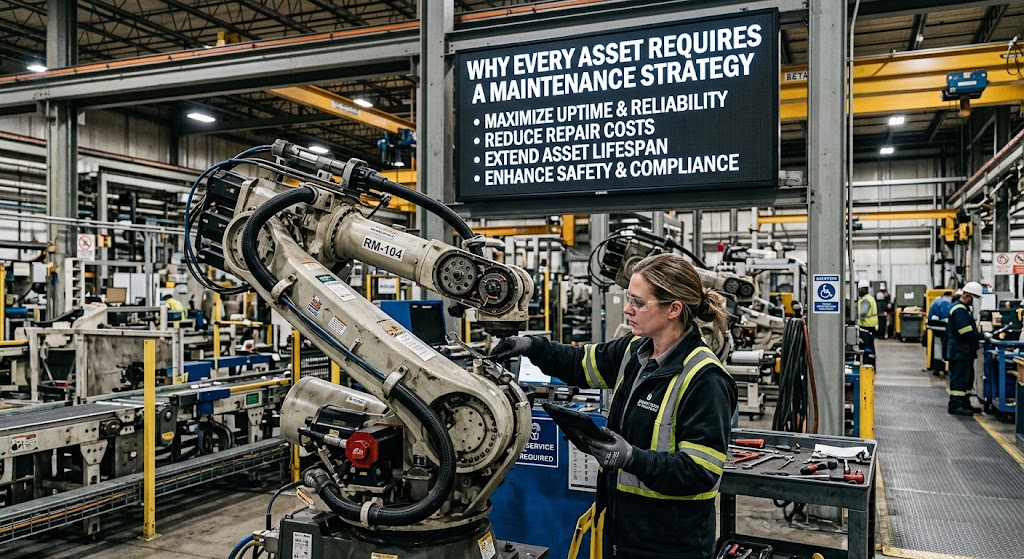
Why Every Asset Requires a Maintenance Strategy
Every person dreams of building valuable assets that can provide security, create opportunities, and generate wealth over time. Whether those assets are physical, financial, digital, intellectual, or even personal, they all share one important truth. They require consistent maintenance. Many people spend years focusing on acquiring assets but pay very little attention to preserving them. This single mistake quietly destroys wealth, opportunities, and legacies every day. The excitement of buying, building, or creating something valuable often overshadows the ongoing responsibility of maintaining it. Yet history has repeatedly shown that neglected assets eventually lose value, become liabilities, or disappear completely.
Understanding why every asset requires a maintenance strategy is one of the most important lessons anyone can learn about long-term success. It is not enough to own something valuable. Ownership alone does not guarantee growth or preservation. Every asset, regardless of its size or purpose, exists in an environment where time, wear, competition, inflation, technological changes, and human behaviour constantly influence its value. Without a deliberate maintenance strategy, even the most valuable assets slowly deteriorate.
An asset is anything that provides value today or has the potential to generate value in the future. Many people immediately think of houses, cars, land, or investment portfolios, but assets go far beyond these traditional examples. Your knowledge is an asset. Your reputation is an asset. Your health is an asset. Your professional network is an asset. A successful website is an asset. A profitable business is an asset. Intellectual property, digital content, customer relationships, brand recognition, and even trust are all assets that contribute to long-term prosperity.
One of the biggest misconceptions about wealth is that acquiring assets automatically creates financial security. In reality, acquisition is only the beginning of the journey. Preservation determines whether those assets continue to create value over decades. The world is filled with examples of people who built remarkable fortunes only to lose them because they underestimated the importance of maintenance. Businesses that dominated their industries eventually disappeared because they failed to innovate. Beautiful buildings became abandoned because owners ignored repairs. Websites that once generated significant income vanished from search results because they were never updated. Even highly respected professionals lost credibility after failing to maintain their skills.
Time itself is one of the greatest enemies of neglected assets. Every passing day introduces gradual changes that often go unnoticed until significant damage has already occurred. Buildings experience weathering. Vehicles accumulate wear and tear. Machines become outdated. Software develops security vulnerabilities. Financial portfolios become exposed to changing market conditions. Relationships weaken without communication. Skills become obsolete when industries evolve. Every asset slowly changes over time, making maintenance an unavoidable necessity rather than an optional activity.
A maintenance strategy begins with accepting that deterioration is natural. Nothing remains valuable forever without attention. This principle applies equally to physical possessions and intangible assets. The most successful individuals and organisations understand that preservation requires consistent effort long after the initial investment has been made. They recognise that maintenance is not an expense that reduces wealth. Instead, it is an investment that protects and multiplies wealth.
Real estate offers one of the clearest examples of this principle. Purchasing a property is often considered a major financial milestone. However, many owners underestimate the ongoing responsibilities that come with ownership. Roofs require inspection. Plumbing systems require servicing. Electrical systems need updates. Paint deteriorates. Landscaping requires attention. Moisture creates structural problems if left untreated. A house that receives regular maintenance often appreciates in value while providing safe and comfortable living conditions. The same property, if neglected for years, may require extremely expensive repairs that could have been prevented through routine care.
Vehicles demonstrate a similar reality. Purchasing a car is only the first step. Oil changes, tyre rotations, brake inspections, fluid replacements, battery checks, and engine servicing all contribute to extending the vehicle’s lifespan. Skipping routine maintenance may save money temporarily, but it usually results in costly mechanical failures later. Preventive maintenance almost always costs less than emergency repairs.
Financial assets require equally careful maintenance. Many investors believe that purchasing stocks, bonds, or mutual funds is enough to secure their financial future. However, financial markets constantly change. Inflation affects purchasing power. Interest rates fluctuate. Industries evolve. Economic conditions shift unexpectedly. A well-maintained investment portfolio includes periodic reviews, diversification, risk assessments, tax planning, and adjustments based on changing goals and market conditions. Ignoring these responsibilities exposes investors to unnecessary risks that could significantly reduce long-term returns.
Businesses perhaps illustrate the importance of maintenance better than almost any other asset. Starting a successful business requires vision, determination, and hard work. Yet maintaining that success demands continuous adaptation. Customer preferences evolve. Competitors introduce new products. Technology transforms industries. Regulations change. Employee expectations shift. A business that stops improving eventually falls behind. Many famous companies that once dominated global markets disappeared not because they lacked resources but because they neglected the ongoing maintenance of their business models.
Digital assets have become increasingly valuable in today’s economy. Websites, blogs, online stores, social media accounts, email lists, software applications, and digital products all require regular maintenance. Search engines reward websites that publish fresh, relevant, and accurate content. Security updates protect against cyber threats. Broken links reduce user experience. Slow loading speeds discourage visitors. Outdated information damages credibility. Businesses that actively maintain their digital assets continue attracting customers while neglected platforms gradually lose visibility and relevance.
Website owners often underestimate this reality. Creating a beautiful website is only the beginning. Search engine optimisation evolves continuously. Content requires updates. Plugins require security patches. Hosting environments change. User expectations increase. Mobile optimisation becomes increasingly important. Search algorithms reward websites that demonstrate ongoing activity. Neglecting these maintenance responsibilities eventually reduces search rankings, traffic, and revenue.
Personal knowledge is another valuable asset that demands constant maintenance. Formal education provides an important foundation, but industries change rapidly. New technologies emerge. Research produces fresh insights. Professional standards evolve. Individuals who stop learning often discover that their knowledge becomes outdated. Continuous education allows professionals to remain competitive while increasing their earning potential. Reading books, attending seminars, earning certifications, participating in workshops, and gaining practical experience all represent maintenance activities that protect intellectual assets.
Health is perhaps the most valuable asset anyone possesses, yet it is often neglected until serious problems arise. Good health supports productivity, happiness, creativity, and longevity. However, maintaining health requires consistent attention through proper nutrition, regular exercise, sufficient sleep, stress management, preventive medical care, and healthy habits. Ignoring these responsibilities eventually reduces quality of life while increasing medical expenses. Preventive healthcare illustrates one of the most powerful examples of why maintenance is always more affordable than repair.
Professional reputation also requires deliberate maintenance. Trust is built gradually through consistent honesty, competence, reliability, and ethical behaviour. However, reputation can deteriorate surprisingly quickly through neglect or poor decisions. Professionals who consistently deliver quality work, honour commitments, communicate effectively, and continue developing their expertise strengthen their reputational assets over time. This accumulated trust often opens doors to new opportunities, partnerships, promotions, and business relationships.
Relationships themselves represent valuable assets that require ongoing investment. Strong family bonds, friendships, business partnerships, and professional networks do not maintain themselves automatically. Communication, respect, appreciation, forgiveness, empathy, and shared experiences all contribute to relationship maintenance. Neglected relationships gradually weaken, reducing the support, opportunities, and emotional well-being they once provided.
Intellectual property also requires active management. Patents require renewal. Trademarks need legal protection. Copyrighted works require monitoring against infringement. Authors update books. Software developers release new versions. Musicians promote their catalogues. Content creators refresh older material. Failing to maintain intellectual property reduces its commercial value while increasing legal vulnerabilities.
Maintenance strategies share several common characteristics regardless of the specific asset involved. First, they involve regular inspection. Problems rarely appear without warning. Most deterioration begins gradually through small changes that become increasingly serious over time. Routine inspections allow owners to identify issues while solutions remain affordable.
Second, effective maintenance emphasises prevention rather than reaction. Waiting until problems become obvious usually increases both costs and complexity. Preventive action extends asset lifespan while reducing unexpected disruptions. This principle applies equally to machinery, health, finances, relationships, and businesses.
Third, maintenance requires planning. Successful asset owners allocate both time and financial resources specifically for preservation activities. They understand that maintenance should never depend entirely on convenience or spare resources. Instead, it becomes a scheduled priority integrated into normal operations.
Technology has significantly improved maintenance capabilities across many industries. Predictive analytics, monitoring systems, artificial intelligence, and automation now allow organisations to detect problems before failures occur. Smart buildings monitor structural conditions. Modern vehicles provide diagnostic alerts. Financial software tracks investment performance. Cybersecurity systems identify vulnerabilities automatically. While technology enhances maintenance efficiency, human oversight remains essential because strategic decisions still require judgment and experience.
Many people avoid maintenance because its benefits often appear invisible. Preventing a problem rarely creates dramatic headlines. Routine servicing rarely generates excitement. However, neglected maintenance eventually produces visible consequences. Emergency repairs, financial losses, health crises, business failures, damaged reputations, and broken relationships frequently result from years of accumulated neglect rather than sudden events.
Psychology also influences maintenance behaviour. Human beings naturally prioritise immediate rewards over future benefits. Purchasing a new asset provides instant satisfaction. Spending money maintaining an existing asset often feels less exciting. This tendency encourages short-term thinking while discouraging long-term preservation. Developing financial discipline helps overcome this bias by recognising maintenance as an investment rather than an unnecessary expense.
Businesses that establish strong maintenance cultures often outperform competitors over long periods. They invest in employee training, equipment servicing, cybersecurity, customer relationships, process improvements, and innovation. These activities may reduce short-term profits slightly, but they create resilience that supports sustainable growth. Companies that continually maintain their competitive advantages adapt more effectively to changing market conditions.
Economic uncertainty further increases the importance of maintenance strategies. During recessions or unexpected crises, well-maintained assets generally retain greater value and recover more quickly. Financial reserves, diversified investments, updated skills, loyal customers, and strong reputations all provide stability when external conditions become challenging. Maintenance therefore functions as a form of risk management that strengthens resilience against uncertainty.
Generational wealth depends heavily on maintenance. Families often focus on accumulating assets but neglect educating future generations about preservation responsibilities. Wealth transferred without maintenance knowledge frequently disappears within a relatively short period. Successful family businesses, investment portfolios, and property holdings usually survive across generations because maintenance principles become part of the family’s culture rather than temporary practices.
Environmental sustainability also reflects maintenance thinking. Repairing, upgrading, and preserving existing assets often reduces waste while extending useful lifespans. Maintaining buildings improves energy efficiency. Servicing machinery reduces unnecessary replacements. Preserving infrastructure benefits communities while lowering long-term costs. Sustainable maintenance therefore creates both financial and environmental value.
Digital transformation continues expanding the number of assets individuals own. Online identities, cloud storage, digital documents, cryptocurrency wallets, websites, social media accounts, and digital businesses all require security, updates, backups, and monitoring. Neglecting digital maintenance exposes owners to hacking, data loss, reduced visibility, and declining performance. As digital assets become increasingly valuable, maintenance becomes even more essential.
A practical maintenance strategy begins by identifying every significant asset you own. This inventory should include financial investments, physical property, business interests, professional skills, health, relationships, digital assets, and intellectual property. Once identified, each asset should have a maintenance schedule based on its specific requirements. Some assets require daily attention while others need monthly, quarterly, or annual reviews.
Documentation also strengthens maintenance effectiveness. Recording inspections, repairs, upgrades, financial reviews, health check-ups, educational achievements, and performance measurements creates valuable historical information that supports better future decisions. Consistent documentation transforms maintenance from random activities into organised systems.
Perhaps the most important lesson is recognising that maintenance never truly ends. Asset preservation represents an ongoing commitment rather than a one-time project. Every stage of ownership introduces new challenges requiring thoughtful adaptation. Markets evolve. Technologies advance. Personal circumstances change. Successful maintenance strategies remain flexible enough to adjust as conditions develop.
Ultimately, wealth is not measured solely by what you acquire but by what you preserve, improve, and successfully pass on. The individuals, families, and organisations that understand this principle consistently outperform those who focus only on acquisition. Every valuable asset carries hidden responsibilities that continue long after purchase or creation. Ignoring those responsibilities gradually transforms assets into liabilities, while embracing them allows assets to generate increasing value for years or even generations.
The true purpose of a maintenance strategy is not simply to prevent loss. It is to maximise potential. A well-maintained asset performs better, lasts longer, attracts greater opportunities, commands higher value, and delivers stronger returns than a neglected one. Whether the asset is your health, your knowledge, your business, your investments, your reputation, your relationships, or your digital presence, the principle remains the same. Consistent care compounds just as powerfully as consistent neglect.
In the end, successful people are rarely distinguished only by what they own. They are distinguished by how well they protect, improve, and sustain what they own. Assets reward stewardship. They reward patience, discipline, foresight, and consistency. Every asset requires a maintenance strategy because lasting value is never accidental. It is the natural result of continuous attention, intentional preservation, and the wisdom to understand that what you maintain today becomes the foundation of tomorrow’s prosperity.

EarnSmartOnline.com.ng is dedicated to helping readers make smarter financial decisions through practical guides on online income, personal finance, technology, digital business, and wealth creation. Our goal is to provide reliable, easy-to-understand, and actionable content that empowers individuals to earn smarter, build sustainable income streams and achieve long-term financial success.
Recommended: Start Earning Online
- Ultimate Affiliate Marketing Program — learn affiliate marketing with a done-for-you sales system ($15). Check it out
- The Newbie Affiliate Guide — the beginner-friendly starter guide (~$6.68). Check it out
- Easy Dollar Maker — earn in dollars uploading AI images and videos from your phone ($17). Check it out
Disclosure: These are affiliate links. If you buy through them, I may earn a commission at no extra cost to you.



