
What is the debt avalanche method?
This is one of the most common questions asked by people who are serious about eliminating debt, reducing financial stress and taking control of their money. Debt can feel like a heavy burden that follows people everywhere. Whether it is credit card debt, personal loans, student loans, business loans or other financial obligations, debt has a way of limiting financial freedom and making it difficult to achieve important life goals. Understanding what is the debt avalanche method? can help individuals develop a strategic plan to eliminate debt faster and save a significant amount of money in the process.
Many people find themselves juggling multiple debts at the same time. They may have several credit cards, a car loan, a personal loan and other financial commitments. Each debt may come with a different balance, minimum payment and interest rate. When this happens, it can become difficult to know where to focus extra payments. Some people simply pay the minimum amount on every debt and hope things improve over time. Unfortunately, this approach often causes debt to linger for years and increases the total amount of interest paid.
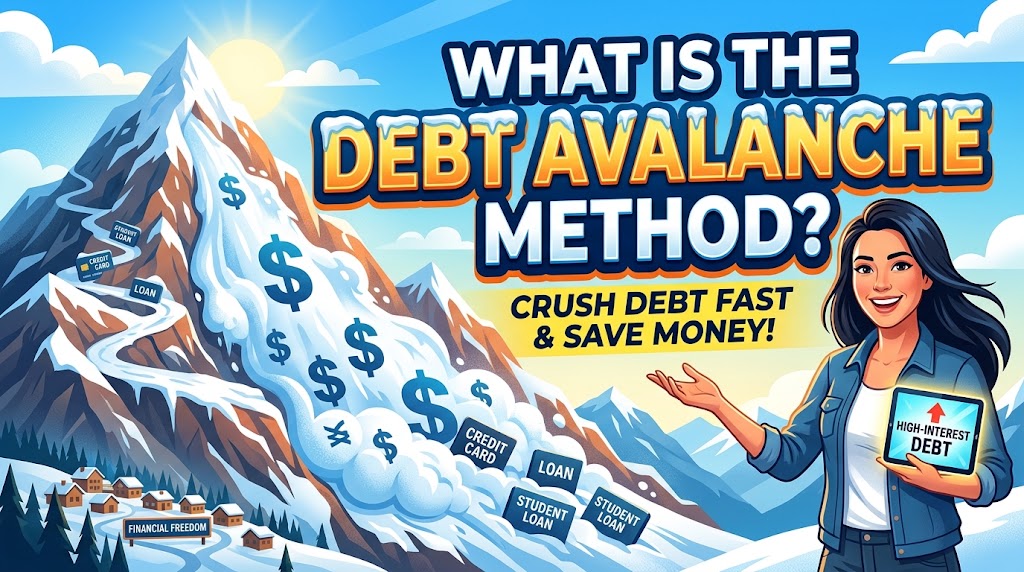
What is the debt avalanche method? At its core, it is a debt repayment strategy that prioritizes debts with the highest interest rates first while continuing to make minimum payments on all other debts. Once the highest interest debt is paid off, the money that was being used to pay that debt is redirected towards the debt with the next highest interest rate. This process continues until all debts have been eliminated.
The debt avalanche method is based on mathematics and financial efficiency. Because higher interest debts cost more money over time, paying them off first reduces the overall amount of interest paid. This means that individuals can often become debt free faster while saving a considerable amount of money that would otherwise be lost to interest charges.
To better understand what is the debt avalanche method?, imagine a person has four debts. The first debt has a balance of £1,000 with an interest rate of 25 percent. The second debt has a balance of £3,000 with an interest rate of 18 percent. The third debt has a balance of £5,000 with an interest rate of 12 percent. The fourth debt has a balance of £8,000 with an interest rate of 7 percent. Under the debt avalanche method, the person would continue making minimum payments on all four debts but would direct any extra money towards the debt with the 25 percent interest rate first.
Once the first debt is completely paid off, the money that had been allocated to that debt would be added to the payment of the debt carrying the 18 percent interest rate. After that debt is eliminated, the process would continue with the 12 percent debt and eventually the 7 percent debt. By attacking the highest interest debt first, the individual reduces the amount of interest accumulating over time.
One reason why people frequently ask what is the debt avalanche method? is because they want to know whether it is better than other debt repayment strategies. One of the most popular alternatives is the debt snowball method. While the debt avalanche method focuses on interest rates, the debt snowball method focuses on balances. With the debt snowball method, individuals pay off the smallest debt first regardless of interest rate. After the smallest debt is eliminated, they move on to the next smallest balance.
Both methods can be effective because they encourage structured debt repayment. However, the debt avalanche method is generally considered more financially efficient because it minimizes interest costs. Over the life of a repayment plan, the savings generated by focusing on higher interest debts can be substantial.
The psychological side of debt repayment is also important when discussing what is the debt avalanche method? Debt is not merely a financial issue. It is often an emotional issue as well. Many people experience anxiety, frustration and even shame because of debt. These emotions can influence financial decisions and make it harder to remain disciplined.
Some individuals prefer the debt snowball method because paying off smaller balances quickly creates a sense of accomplishment. Those early victories can provide motivation and encouragement. In contrast, the debt avalanche method may require more patience because the highest interest debt is not always the smallest debt. It may take longer before a debt is completely eliminated.
Even so, many financially disciplined individuals choose the debt avalanche method because they understand that every pound, dollar or naira saved on interest can be redirected towards achieving financial goals. The satisfaction of saving money and becoming debt free more efficiently can be a powerful source of motivation.
Understanding what is the debt avalanche method? also requires understanding the impact of interest rates. Interest is essentially the cost of borrowing money. The higher the interest rate, the more expensive the debt becomes. High interest debt can be particularly dangerous because it allows balances to grow rapidly if payments are not sufficient.
Credit card debt is often one of the most expensive forms of debt because credit cards frequently carry high interest rates. When consumers make only minimum payments, a significant portion of their payment may go towards interest rather than reducing the principal balance. This can trap people in a cycle of debt for many years.
The debt avalanche method directly addresses this problem by targeting the debts that are costing the most money. Instead of spreading extra payments across multiple accounts, the strategy concentrates resources where they can have the greatest impact.
Another reason people search for answers to what is the debt avalanche method? is because they want a practical plan they can follow immediately. The process is relatively straightforward. The first step is to make a complete list of all outstanding debts. For each debt, it is important to record the balance, minimum payment and interest rate.
The second step is to arrange the debts from highest interest rate to lowest interest rate. The balance size does not matter at this stage. The focus is entirely on the cost of borrowing.
The third step is to continue making minimum payments on all debts. Missing payments can result in penalties, additional interest charges and damage to credit scores.
The fourth step is to identify any extra money available for debt repayment. This could come from reducing expenses, increasing income, earning extra money through a side business or redirecting money that was previously spent on nonessential items.
The fifth step is to apply all extra funds to the debt with the highest interest rate. Every additional payment helps reduce the balance faster and decreases future interest charges.
Once that debt is eliminated, the payment amount previously allocated to it is rolled into the next debt. This creates a powerful snowball effect even though the method is based on interest rates rather than balances.
A major benefit of the debt avalanche method is the long term savings it generates. Because interest charges are reduced more quickly, more of each payment goes towards principal reduction. This accelerates the debt repayment process and helps individuals keep more of their hard earned money.
When discussing what is the debt avalanche method?, it is important to recognize that the method requires commitment and consistency. No debt repayment strategy can produce results overnight. Success depends on maintaining regular payments and avoiding the temptation to accumulate new debt.
One common mistake people make is continuing to use credit cards while attempting to pay off existing balances. This creates a situation where debt repayment efforts are constantly undermined by new borrowing. For the debt avalanche method to work effectively, it is often necessary to stop adding new debt and focus on reducing existing obligations.
Budgeting plays an essential role in the success of the debt avalanche method. A budget helps individuals understand where their money is going and identify opportunities to free up cash for debt repayment. Small changes in spending habits can have a significant impact over time. Cutting unnecessary subscriptions, reducing impulse purchases and finding ways to increase income can all provide additional funds for debt reduction.
Many people are surprised by how much progress they can make when they actively track their spending. Money that once disappeared unnoticed can be redirected towards financial goals. This creates momentum and reinforces positive financial habits.
Another important aspect of understanding what is the debt avalanche method? is recognizing its impact on financial freedom. Debt limits options. It can delay home ownership, reduce investment opportunities and create ongoing financial stress. Eliminating debt opens doors to new possibilities.
Money that was once used for interest payments can be redirected towards savings, investments, business opportunities, education or retirement planning. The financial flexibility that comes from becoming debt free can significantly improve quality of life.
The debt avalanche method also teaches valuable lessons about financial responsibility. It encourages individuals to think critically about borrowing costs and the long term consequences of debt. This awareness often leads to better financial decisions in the future.
For example, someone who successfully uses the debt avalanche method may become more cautious about taking on high interest debt again. They have experienced firsthand how expensive interest can be and understand the benefits of managing debt strategically.
Technology has made it easier than ever to implement the debt avalanche method. Numerous budgeting apps, debt calculators and financial planning tools allow individuals to track balances, calculate interest savings and monitor progress. These tools can provide additional motivation by showing how much money is being saved through accelerated debt repayment.
Another reason why what is the debt avalanche method? remains a popular question is that people are increasingly seeking ways to improve their financial well being. Rising living costs, economic uncertainty and easy access to credit have made debt management more important than ever. Individuals who take proactive steps to eliminate debt are often better positioned to weather financial challenges and pursue long term goals.
Financial experts frequently recommend the debt avalanche method because of its efficiency. While motivation and behaviour play important roles in debt repayment, mathematics cannot be ignored. Paying off high interest debt first simply reduces the total cost of borrowing.
However, it is also important to acknowledge that the best debt repayment strategy is ultimately the one a person can stick with consistently. Some individuals may achieve better results with the debt snowball method because it provides quicker emotional rewards. Others may prefer the debt avalanche method because they value maximizing savings and reducing interest costs.
The key is choosing a strategy and remaining committed to it. Constantly switching approaches can create confusion and slow progress. Whether someone chooses the debt avalanche method or another structured repayment plan, consistency is often more important than perfection.
As people continue to ask what is the debt avalanche method?, the answer remains both simple and powerful. It is a debt repayment strategy that prioritizes debts with the highest interest rates first while maintaining minimum payments on all other debts. By focusing on the most expensive debts, individuals can reduce interest costs, accelerate repayment and achieve financial freedom more efficiently.
Debt can sometimes feel overwhelming, but every debt free journey begins with a single payment. The debt avalanche method provides a clear roadmap for tackling debt strategically and effectively. Rather than allowing interest charges to drain financial resources year after year, individuals can take control of their finances and direct their money towards building a stronger future.
Ultimately, understanding what is the debt avalanche method? is about more than learning a financial technique. It is about developing a mindset focused on efficiency, discipline and long term success. By targeting high interest debt first and maintaining a consistent repayment plan, individuals can save money, reduce stress and move closer to the financial freedom they desire. The journey may require patience and dedication, but the rewards of becoming debt free are often well worth the effort.

EarnSmartOnline.com.ng is dedicated to helping readers make smarter financial decisions through practical guides on online income, personal finance, technology, digital business, and wealth creation. Our goal is to provide reliable, easy-to-understand, and actionable content that empowers individuals to earn smarter, build sustainable income streams and achieve long-term financial success.
Recommended: Start Earning Online
- Ultimate Affiliate Marketing Program — learn affiliate marketing with a done-for-you sales system ($15). Check it out
- The Newbie Affiliate Guide — the beginner-friendly starter guide (~$6.68). Check it out
- Easy Dollar Maker — earn in dollars uploading AI images and videos from your phone ($17). Check it out
Disclosure: These are affiliate links. If you buy through them, I may earn a commission at no extra cost to you.



