
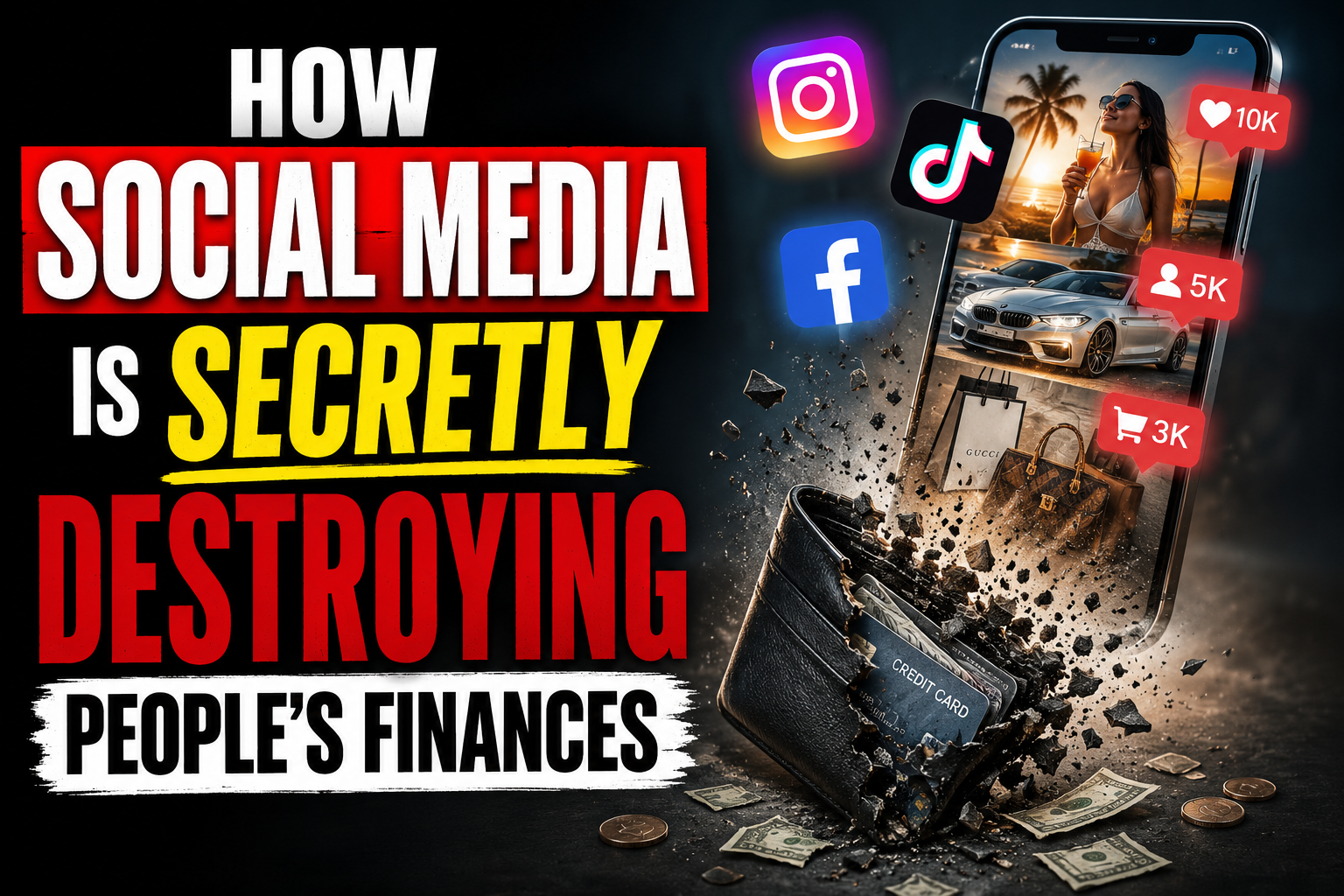
How Social Media Is Secretly Destroying People’s Finances
Social media has become one of the most powerful influences in modern society. Millions of people wake up every morning and immediately open applications like Facebook, Instagram, TikTok, X, Snapchat, and YouTube before even leaving their beds. What started as a tool for communication and entertainment has gradually transformed into something much deeper. For many people, social media now controls emotions, decisions, desires, spending habits, and even financial direction. While most people think social media only affects attention span and mental health, very few realize that it is also secretly destroying people’s finances in ways they do not immediately notice.
The dangerous thing about social media is that its financial damage often happens slowly. It does not always appear like a direct robbery or sudden loss of money. Instead, it quietly changes the way people think about money, success, lifestyle, and happiness. Over time, many people begin to spend more, save less, compare themselves constantly, and make poor financial decisions simply because of what they consume online daily.
One of the biggest financial dangers of social media is lifestyle pressure. Every day, people are exposed to carefully selected highlights of other people’s lives. Expensive vacations, luxury cars, designer clothes, flashy restaurants, gadgets, expensive apartments, and unrealistic lifestyles flood timelines constantly. What many fail to realize is that social media is a stage where people mostly show their best moments while hiding their struggles, debts, and financial problems. Unfortunately, viewers begin to compare their real lives to these edited online realities.
This comparison creates silent pressure. Someone who was once content with a simple lifestyle suddenly feels poor because of what they see online. A person earning an average salary begins to feel unsuccessful after watching influencers display luxury lifestyles daily. The result is dangerous spending behavior. People start buying things they cannot truly afford simply to keep up appearances. Many now spend heavily on clothes, phones, vacations, parties, and luxury items just to maintain an online image that matches social media expectations.
Another major problem is emotional spending triggered by social media advertising. Modern social media platforms are designed to understand users deeply. Algorithms monitor what people search for, watch, like, comment on, and discuss. This information is then used to push highly targeted advertisements directly into their feeds. Many people think they are immune to online advertising, but the truth is that repeated exposure influences spending decisions significantly.
Someone scrolling through videos may suddenly see ads for expensive gadgets, fashion products, skincare items, shoes, or investment schemes repeatedly until temptation grows stronger. Before long, the person begins to feel they need these products to feel happier, more successful, or more accepted socially. This cycle encourages impulsive buying, where people purchase things emotionally instead of logically. Over time, these unnecessary expenses quietly destroy savings and financial stability.
Social media has also normalized fake wealth and unhealthy financial competition. Many people no longer spend based on their income level. Instead, they spend based on the lifestyles they admire online. This has created a culture where appearance matters more than actual financial security. Some people would rather look rich online than build real wealth privately. As a result, many individuals are trapped in debt while trying to maintain a luxurious image on the internet.
In many countries, especially in developing economies, some young people now take loans just to finance vacations, expensive phones, birthday parties, fashion, or cosmetic lifestyles for social media validation. Others spend huge amounts on photoshoots, luxury rentals, and nightlife simply to appear successful online. The painful reality is that many of these people are financially struggling behind the scenes while pretending to live comfortably online.
The influence of social media on financial impatience is another dangerous issue. In the past, people understood that wealth usually required years of effort, discipline, savings, and investment. Today, social media constantly promotes overnight success stories, luxury lifestyles, and quick money narratives. Young people are exposed daily to influencers claiming to have become millionaires within months through crypto, forex, online businesses, or other ventures.
While some success stories may be genuine, social media often hides the years of struggle, failures, or privileges behind those achievements. Many viewers begin to feel financially inadequate because they are not experiencing similar rapid success. This impatience pushes people toward risky financial decisions. Some fall into scams, Ponzi schemes, gambling addiction, or unrealistic investment opportunities because they desperately want fast financial transformation similar to what they see online.
Social media has also reduced people’s focus and productivity, which indirectly affects finances. Many individuals spend countless hours scrolling endlessly through content every day. Some people spend more time consuming entertainment than improving their skills, businesses, careers, or financial knowledge. Hours that could have been invested into learning high-income skills, building businesses, networking productively, or developing personal growth are often wasted on endless scrolling and entertainment consumption.
The long-term financial effect of this habit is massive. Consistency and focus are necessary for financial growth, but social media thrives on distraction. Many people struggle to concentrate on important goals because they are constantly interrupted by notifications, trends, viral videos, gossip, and online drama. Over time, productivity drops, opportunities are missed, and financial progress slows down significantly.
Another hidden danger is how social media affects financial self-worth. Constant exposure to successful-looking people can make individuals feel like failures even when they are making reasonable progress. Someone who recently bought a modest car may suddenly feel ashamed after seeing luxury vehicles online. A person saving gradually for the future may begin to feel poor because others appear richer online. This emotional pressure creates dissatisfaction and poor money decisions.
Financial insecurity caused by social comparison often leads people into unnecessary competition. Instead of focusing on personal financial growth, they become obsessed with proving themselves online. Some people even spend money they should have invested or saved just to gain temporary validation through likes, comments, and online attention. Unfortunately, social media validation is temporary, but financial consequences can last for years.
Influencer culture has also contributed heavily to financial misinformation. Many influencers promote unrealistic lifestyles, fake business success, or dangerous financial advice. Some encourage followers to buy expensive products they themselves received for free through sponsorships. Others promote risky investments or fake online opportunities simply because they are being paid. Unfortunately, many followers trust these influencers blindly and end up making poor financial choices.
The pressure to constantly upgrade lifestyles has become another major issue. Social media trends move quickly, and people feel pressured to keep up with new fashion, gadgets, hairstyles, beauty standards, and luxury experiences. A phone that worked perfectly last year suddenly feels outdated because a new version is trending online. Clothes become “old” after a few posts. People constantly chase newer and more expensive lifestyles not because they truly need them, but because social media convinces them they do.
This endless cycle of upgrading destroys financial stability. Instead of building assets or investing for the future, many people prioritize temporary online appearances. Some spend more money maintaining an image than building real financial security. The tragedy is that many financially stable people actually live quietly, while those struggling financially often feel the strongest pressure to impress others online.
Social media can also create unrealistic expectations about entrepreneurship and online income. Many people now believe business success should happen instantly because social media mainly highlights successful outcomes rather than the difficult process behind them. This unrealistic expectation causes frustration when real-life progress feels slower. Some people abandon legitimate opportunities too quickly because they expected immediate wealth similar to what influencers display online.
Despite these dangers, social media itself is not completely evil. It can still be a powerful tool for learning, networking, business growth, and financial education when used wisely. The real problem is uncontrolled consumption and lack of self-awareness. People must learn to separate reality from online performance. Not everything seen online reflects truth, stability, or happiness.
Financial discipline has become more important than ever in the age of social media. People must learn to spend based on their actual needs, goals, and income level rather than online pressure. It is important to remember that true wealth is not measured by likes, followers, luxury pictures, or public validation. Real financial success is built quietly through discipline, savings, investments, patience, and smart decisions over time.
One of the best ways to protect finances from social media influence is to become intentional about content consumption. Following educational pages, business mentors, finance creators, and growth-oriented communities can positively influence financial thinking. Reducing exposure to toxic comparison content can also improve financial discipline and emotional peace.
Creating financial goals independent of social media expectations is equally important. Instead of chasing online approval, individuals should focus on building emergency funds, investments, stable businesses, valuable skills, and long-term security. These things may not always look glamorous online, but they create real financial freedom in the future.
At its core, social media has quietly changed how many people think about money, success, and happiness. The pressure to impress, compare, consume, and seek validation has trapped many individuals financially without them realizing it. While social media may continue to grow in influence, people who become financially conscious and disciplined will avoid many of the traps destroying others silently. In a world obsessed with appearances, true financial wisdom may simply be learning how to live below your means while building quietly for the future.

EarnSmartOnline.com.ng is dedicated to helping readers make smarter financial decisions through practical guides on online income, personal finance, technology, digital business, and wealth creation. Our goal is to provide reliable, easy-to-understand, and actionable content that empowers individuals to earn smarter, build sustainable income streams and achieve long-term financial success.
Recommended: Start Earning Online
- Ultimate Affiliate Marketing Program — learn affiliate marketing with a done-for-you sales system ($15). Check it out
- The Newbie Affiliate Guide — the beginner-friendly starter guide (~$6.68). Check it out
- Easy Dollar Maker — earn in dollars uploading AI images and videos from your phone ($17). Check it out
Disclosure: These are affiliate links. If you buy through them, I may earn a commission at no extra cost to you.



