
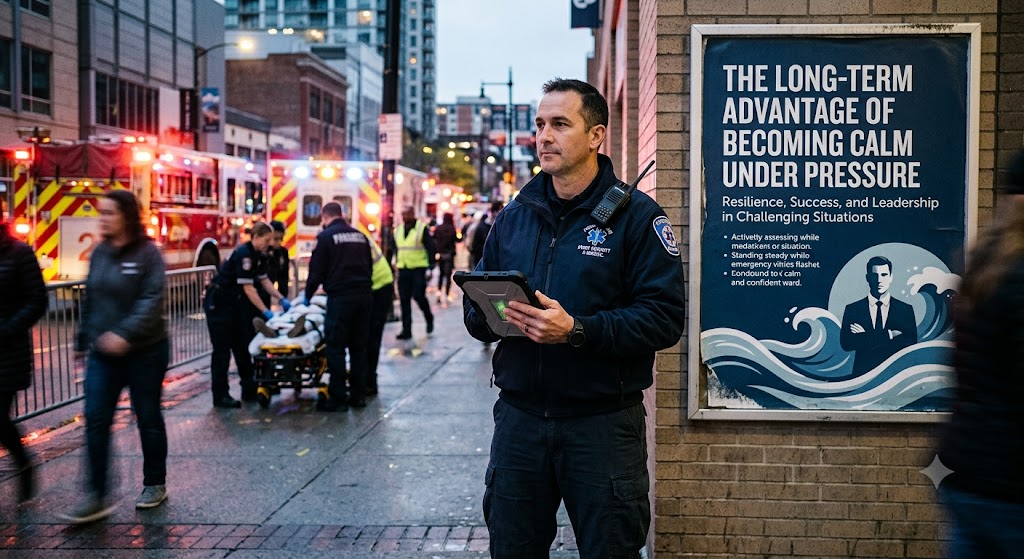
The Long-Term Advantage of Becoming Calm Under Pressure
Pressure is one of the few experiences that unites humanity. It does not matter whether someone is a student preparing for examinations, an entrepreneur managing a growing business, a parent raising children, a leader making difficult decisions, or an employee trying to meet demanding deadlines. At some point, everyone faces situations where emotions rise, uncertainty grows, and the temptation to panic becomes almost overwhelming. Yet there is one quality that consistently separates people who continue moving forward from those who become trapped by circumstances. That quality is calmness under pressure.
The long-term advantage of becoming calm under pressure extends far beyond surviving difficult moments. It shapes the quality of decisions you make, the relationships you build, the opportunities you attract, and the reputation you earn over many years. While intelligence, talent, and experience are valuable, they often become ineffective when fear takes control. A calm mind allows those strengths to function at their highest level. Instead of reacting emotionally, you respond thoughtfully. Instead of creating more problems, you become part of the solution.
Many people mistakenly believe that calm people simply have easier lives. The truth is often the opposite. Calmness is rarely something people are born with. It is usually developed through repeated exposure to challenges, disappointments, failures, and unexpected situations. Every difficult experience becomes another opportunity to strengthen emotional stability. Over time, what once caused panic begins to feel manageable because experience teaches that most storms eventually pass.
One of the greatest long-term benefits of remaining calm under pressure is improved decision-making. Pressure has a way of narrowing attention. It encourages people to focus only on immediate danger while ignoring important details. This emotional tunnel vision often leads to poor decisions that create even bigger problems. A calm person is able to step back mentally and see the bigger picture. They weigh options carefully, consider consequences, and avoid unnecessary mistakes.
History repeatedly shows that successful leaders were not necessarily the loudest or the fastest to react. They were often the ones who remained composed while everyone else lost control. Whether leading nations during crises, managing companies through economic uncertainty, or guiding families through personal hardship, calm leadership inspires confidence. People naturally trust individuals who remain steady when circumstances become unstable.
Businesses especially reward calmness over time. Every organisation experiences setbacks, customer complaints, financial pressure, changing markets, and unexpected competition. Business owners who panic often make emotional decisions such as cutting essential investments, abandoning successful strategies too early, or damaging relationships with employees and customers. Those who remain calm analyse the situation objectively, adapt intelligently, and continue building for the future.
The workplace also provides countless examples of the value of emotional control. Employees who remain composed during difficult meetings, tight deadlines, or unexpected challenges quickly earn the respect of colleagues and supervisors. Managers notice people who solve problems instead of spreading anxiety. Promotions often go to those who can be trusted during difficult periods rather than those who perform well only when conditions are perfect.
Calmness also strengthens communication. Under pressure, many people speak without thinking. They interrupt others, raise their voices, make accusations, or say things they later regret. Words spoken in anger often damage relationships that took years to build. A calm individual listens carefully before responding. Even when disagreements arise, they communicate with clarity rather than emotion. This ability preserves trust and encourages cooperation instead of conflict.
Relationships benefit enormously from emotional stability. Every friendship, marriage, business partnership, and family connection will eventually experience moments of tension. People who react impulsively often escalate small disagreements into major conflicts. Calm individuals create space for understanding. They recognise that temporary emotions do not always reflect permanent reality. By responding thoughtfully rather than emotionally, they protect relationships that might otherwise have been destroyed.
Another remarkable advantage of remaining calm under pressure is increased resilience. Life rarely follows a perfectly planned path. Businesses fail. Investments lose value. Careers change unexpectedly. Health challenges appear without warning. Personal disappointments affect everyone. Resilience is not about avoiding hardship but about recovering from it more effectively. Calm people bounce back faster because they spend less energy fighting reality and more energy finding solutions.
The human brain performs differently during stressful situations. Fear activates survival instincts that were designed to protect people from immediate physical danger. While these instincts remain useful in genuine emergencies, they become less helpful when dealing with modern challenges such as business negotiations, career decisions, financial planning, or interpersonal conflicts. Developing calmness allows logical thinking to remain active even when emotions intensify.
Confidence also grows through repeated calm responses to difficult situations. Confidence is often misunderstood as believing nothing will go wrong. Genuine confidence is believing that even if something does go wrong, you can handle it. Every challenge managed with composure becomes evidence that future problems can also be handled. Over months and years, this creates an unshakable belief in your ability to face uncertainty.
Financial success frequently depends upon emotional discipline more than technical knowledge. Investors who panic during market declines often sell valuable assets at the worst possible moment. Entrepreneurs who fear temporary setbacks may abandon profitable ventures before success arrives. Savers who become anxious about short-term economic conditions sometimes make impulsive financial decisions that damage long-term wealth. Calm thinking encourages patience, consistency, and rational planning.
One overlooked advantage of remaining calm under pressure is better physical health. Chronic stress affects nearly every system within the human body. Elevated stress hormones contribute to fatigue, weakened immunity, sleep disturbances, digestive problems, and increased risk of various health conditions. While calmness cannot eliminate every source of stress, it significantly reduces unnecessary emotional strain. A calmer lifestyle supports healthier living over many years.
Sleep quality also improves when people learn to manage pressure effectively. Many individuals carry workplace stress, financial worries, or personal conflicts into the bedroom. Their minds replay conversations, imagine worst-case scenarios, and create endless cycles of anxiety. Calm individuals develop the ability to separate temporary challenges from permanent reality. This mental discipline allows the body and mind to recover properly during rest.
Creativity thrives in calm environments. Panic narrows imagination because survival becomes the brain’s primary objective. Calmness creates mental space for innovation. Artists, writers, engineers, entrepreneurs, and scientists often produce their best ideas when they maintain emotional balance despite external challenges. Rather than becoming overwhelmed by obstacles, they become curious about possible solutions.
Professional reputation develops slowly but powerfully over time. People remember how others behave during difficult situations. Anyone can appear confident when everything is going well. Character becomes visible when pressure increases. Individuals who consistently remain calm become known as dependable, trustworthy, and emotionally mature. This reputation often opens doors that qualifications alone cannot unlock.
Parents who remain calm under pressure pass valuable lessons to their children without speaking many words. Children observe how adults respond to disappointment, conflict, financial difficulty, illness, and unexpected setbacks. Calm behaviour teaches emotional regulation more effectively than lectures ever could. Future generations often inherit attitudes toward adversity from the examples they witness at home.
Calmness also improves learning. Mistakes become teachers instead of enemies. People who panic after failure often become defensive or discouraged. Calm learners analyse what happened, identify lessons, and make improvements. This mindset accelerates personal growth because every setback contributes valuable knowledge instead of emotional paralysis.
Athletes provide powerful demonstrations of this principle. Physical ability alone rarely determines championship performances. Elite competitors distinguish themselves through emotional control during crucial moments. The ability to stay composed while thousands of spectators watch, enormous expectations exist, and victory depends upon a few critical decisions often separates winners from runners-up. The same principle applies to everyday life even if the audience is much smaller.
Technology has made calmness even more valuable in today’s world. Constant notifications, breaking news, social media debates, and endless streams of information create continuous psychological pressure. Many people react instantly without verifying facts or considering consequences. Those who slow down, think carefully, and avoid emotional reactions develop a significant advantage in an increasingly distracted society.
Social media especially rewards emotional reactions because dramatic content spreads rapidly. However, long-term success rarely belongs to people who constantly react impulsively. Individuals who pause before responding, verify information, and communicate respectfully build stronger reputations. Calmness protects credibility in environments where emotional overreaction has become common.
Leadership opportunities often emerge unexpectedly during periods of uncertainty. Organisations look for people who can guide others through confusion. Calm individuals naturally become sources of stability because they project confidence without pretending to know every answer. They acknowledge difficulties honestly while maintaining hope and direction. This combination inspires trust among those around them.
There is also tremendous value in recognising what cannot be controlled. Many people waste enormous emotional energy worrying about events beyond their influence. Economic conditions, other people’s opinions, political developments, weather patterns, and unexpected global events cannot always be changed. Calm individuals focus attention on actions within their control. This mindset increases effectiveness while reducing unnecessary frustration.
Patience and calmness are closely connected. Long-term achievements rarely happen overnight. Building a successful career, growing a profitable business, strengthening relationships, improving health, or developing expertise all require consistent effort over extended periods. People who panic whenever progress seems slow often abandon worthwhile goals prematurely. Calm individuals understand that meaningful success usually requires persistence.
Conflict resolution becomes easier when emotions remain under control. During disagreements, people often focus on winning rather than understanding. Calm individuals seek solutions instead of victories. They recognise that preserving relationships is frequently more valuable than proving themselves right. This perspective creates healthier workplaces, stronger families, and more productive communities.
Emotional intelligence continues gaining importance across nearly every profession. Technical skills may secure employment, but emotional maturity often determines long-term advancement. Employers increasingly value individuals who collaborate effectively, adapt to change, manage conflict professionally, and maintain composure during stressful situations. Calmness enhances every one of these qualities.
Unexpected opportunities often appear disguised as problems. Companies facing financial challenges may discover more efficient business models. Individuals who lose one job may eventually find more fulfilling careers. Entrepreneurs whose first businesses fail frequently build stronger companies later because of lessons learned. Panic prevents people from recognising these hidden opportunities, while calmness allows them to remain observant and adaptable.
One reason calmness creates such a lasting advantage is because it influences every decision rather than only occasional choices. Daily habits determine long-term outcomes. Every calm conversation strengthens relationships. Every thoughtful financial decision improves future stability. Every measured response enhances professional credibility. Small moments of emotional discipline accumulate into extraordinary long-term results.
Self-awareness plays a crucial role in developing calmness. Everyone has emotional triggers. Some people react strongly to criticism. Others struggle with uncertainty, rejection, failure, or financial pressure. Recognising these patterns allows individuals to prepare for them rather than being controlled by them. Awareness creates the opportunity for intentional responses instead of automatic reactions.
Preparation also reduces unnecessary panic. Confidence grows when people know they have prepared thoroughly. Students who study consistently approach examinations with greater calm. Professionals who develop their skills handle workplace challenges more confidently. Businesses that build emergency reserves face economic uncertainty more effectively. Preparation cannot eliminate every surprise, but it significantly reduces avoidable stress.
Gratitude surprisingly contributes to calmness as well. People who constantly focus on what might go wrong often experience chronic anxiety. Those who regularly appreciate existing blessings develop greater emotional balance. Gratitude shifts attention away from fear toward perspective. Challenges remain real, but they no longer appear overwhelming.
Humility strengthens emotional stability because humble individuals accept that mistakes are part of growth. Pride often creates pressure to appear perfect. When perfection becomes the goal, every setback feels catastrophic. Humble people acknowledge limitations, seek advice, learn continuously, and recover more quickly from failure because their identity is not built upon never making mistakes.
Another powerful advantage of calmness is improved problem-solving ability. Difficult situations rarely require emotional intensity. They require clear thinking. Whether repairing broken relationships, overcoming financial hardship, managing health concerns, or navigating career transitions, solutions become easier to identify when the mind remains composed. Calmness allows creativity, logic, and experience to work together effectively.
Many successful entrepreneurs openly admit that their greatest competitive advantage was not superior intelligence but emotional consistency. Markets changed. Customers complained. Competitors emerged. Investments failed. Yet they continued making rational decisions instead of emotional ones. Over decades, this consistency produced extraordinary outcomes while others abandoned promising opportunities due to temporary discouragement.
Calmness also influences how others perceive your reliability. Friends trust calm people with important responsibilities. Employers assign significant projects to emotionally stable employees. Investors support entrepreneurs who demonstrate thoughtful leadership. Communities naturally gravitate toward individuals who create reassurance rather than panic. Trust accumulates gradually, and calm behaviour strengthens it continuously.
One misconception worth challenging is that calmness means suppressing emotions. Healthy calmness does not ignore feelings. Instead, it prevents feelings from becoming dictators. Emotions provide valuable information, but they should not always determine behaviour. A calm individual acknowledges fear, disappointment, frustration, or sadness while still choosing actions based upon wisdom rather than impulse.
Developing calmness requires intentional practice. Deep breathing during stressful moments, reflecting before responding, maintaining healthy routines, exercising regularly, sleeping adequately, and spending time in quiet reflection all strengthen emotional regulation. Like physical fitness, emotional stability improves through consistent practice rather than occasional effort.
Reading biographies of respected leaders reveals a common pattern. Many faced extraordinary pressure throughout their lives. They encountered criticism, uncertainty, opposition, financial hardship, and personal loss. Yet their lasting influence often came not from avoiding these experiences but from responding with remarkable composure. Their calmness enabled them to continue serving others despite difficult circumstances.
Faith also provides many people with an enduring source of calmness. Believing that temporary difficulties do not define the entire future creates hope during uncertain seasons. Prayer, meditation, reflection, and spiritual discipline encourage perspective that extends beyond immediate challenges. Regardless of circumstances, inner peace often becomes a foundation for wise action.
The modern world frequently celebrates speed. Quick responses, instant opinions, rapid decisions, and immediate gratification dominate many areas of life. Yet wisdom often requires slowing down. Calm people understand that not every question demands an instant answer. Sometimes the most powerful response is thoughtful silence followed by careful action.
Long-term success depends less upon avoiding pressure than upon learning to function effectively within it. Pressure will always exist because life continually presents new responsibilities, ambitions, and uncertainties. Instead of waiting for stress-free circumstances, emotionally mature individuals develop the capacity to remain steady regardless of external conditions.
There will always be people who possess greater talent, larger financial resources, stronger educational backgrounds, or wider professional networks. However, many fail to maximise those advantages because emotional instability undermines their potential. Meanwhile, calmer individuals consistently outperform expectations because they remain effective when challenges arise.
The compound effect of calmness becomes increasingly obvious over time. One thoughtful decision rarely changes an entire life overnight. One respectful conversation does not instantly transform every relationship. One composed response during difficulty may seem insignificant. Yet thousands of calm decisions accumulated across years create exceptional careers, meaningful relationships, financial stability, personal credibility, and lasting influence.
Ultimately, becoming calm under pressure is not about appearing strong for others. It is about becoming stronger within yourself. It is the ability to think clearly when others cannot. It is the discipline to respond wisely when emotions invite reckless action. It is the confidence to continue moving forward when circumstances become uncertain. It is the patience to trust that temporary setbacks do not determine permanent outcomes.
The long-term advantage of becoming calm under pressure cannot be measured only by promotions, wealth, or recognition, although it often contributes to all three. Its greatest reward is the freedom that comes from knowing your emotions no longer control your future. Instead of being pushed around by every unexpected event, you become anchored by wisdom, guided by purpose, and strengthened by experience. That inner stability becomes one of life’s most valuable assets because while the world around you may remain unpredictable, the person you become remains dependable. In the end, calmness under pressure is not merely a personality trait. It is a lifelong competitive advantage that continues paying dividends in every area of life long after temporary moments of stress have passed.

EarnSmartOnline.com.ng is dedicated to helping readers make smarter financial decisions through practical guides on online income, personal finance, technology, digital business, and wealth creation. Our goal is to provide reliable, easy-to-understand, and actionable content that empowers individuals to earn smarter, build sustainable income streams and achieve long-term financial success.
Recommended: Start Earning Online
- Ultimate Affiliate Marketing Program — learn affiliate marketing with a done-for-you sales system ($15). Check it out
- The Newbie Affiliate Guide — the beginner-friendly starter guide (~$6.68). Check it out
- Easy Dollar Maker — earn in dollars uploading AI images and videos from your phone ($17). Check it out
Disclosure: These are affiliate links. If you buy through them, I may earn a commission at no extra cost to you.



