
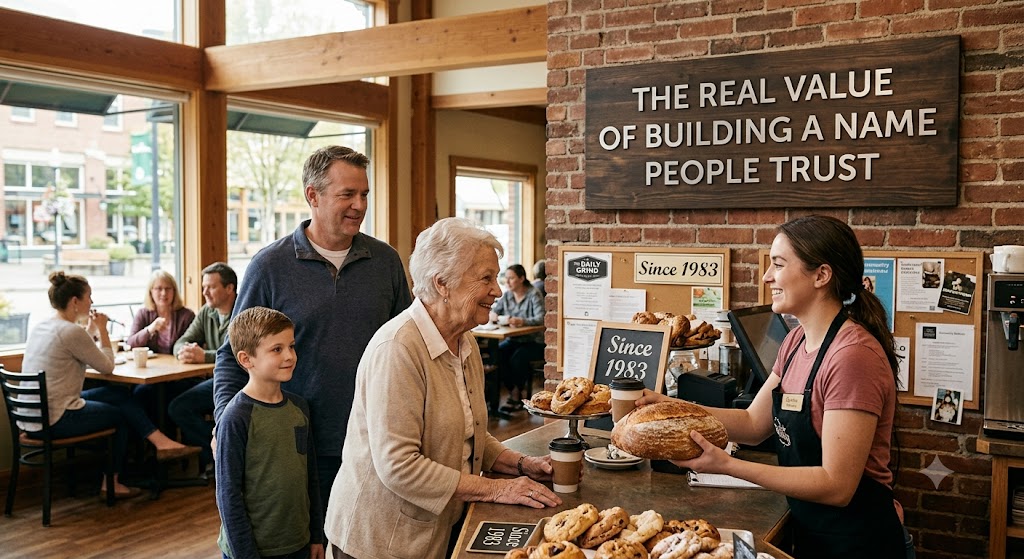
The Real Value of Building a Name People Trust
In a world where new businesses are launched every day, websites appear overnight, social media accounts gain thousands of followers within weeks, and artificial intelligence can produce endless content in seconds, one thing continues to separate those who succeed for decades from those who disappear after a few months. That one thing is trust. The real value of building a name people trust cannot be measured by likes, followers, page views, or even short-term profits. It is measured by how confidently people choose you when they have countless alternatives. It is measured by whether your audience believes your words before they verify them. It is measured by whether customers recommend you when you are not in the room. Trust is the invisible currency that makes every other form of success easier to achieve.
Many people spend years trying to build wealth while ignoring the importance of building a trusted name. They focus on making quick sales, increasing traffic, or finding shortcuts to earn money. While these things may produce temporary results, they rarely create lasting success. Money can come and go. Trends change. Platforms rise and fall. Search engine algorithms are updated. Social media reaches fluctuate. Technologies evolve. However, when people trust your name, they continue looking for you regardless of where you appear. They search for your website instead of waiting for it to appear in search results. They subscribe to your newsletter because they value your opinions. They purchase your products because they believe you will deliver on your promises.
Trust is not something that can be bought through advertising. You can spend millions promoting a business, but advertising only gets attention. It does not automatically earn trust. Trust is built through consistent actions over time. Every promise you keep adds another brick to your reputation. Every honest conversation strengthens your credibility. Every satisfied customer becomes another voice speaking positively about your brand. Eventually, your name begins to represent reliability, quality, honesty, and consistency.
Think about the people whose opinions you value. Whether they are entrepreneurs, teachers, writers, creators, or business owners, the reason you continue listening to them is usually because they have repeatedly demonstrated integrity. They have given useful advice without constantly trying to exploit their audience. They have admitted mistakes when they were wrong. They have maintained consistent standards over many years. Their reputation became more valuable than any single product they ever sold.
This is why successful businesses invest heavily in protecting their reputation. A damaged reputation can destroy years of hard work within a very short period. Building trust may take years, but losing it can happen in a single careless moment. One dishonest decision, one broken promise, or one deliberate deception can undo everything that was carefully built over time. That is why reputation should never be treated as something secondary. It is one of the most valuable assets any individual or organisation can possess.
For bloggers, trust is even more important than traffic. A blog with one hundred thousand visitors who do not trust the author has less long-term value than a blog with ten thousand loyal readers who believe every recommendation is genuine. Trusted bloggers do not need to convince people aggressively because their audience already believes they have their best interests at heart. When they recommend a product, readers pay attention. When they publish a guide, people bookmark it. When they announce a new project, supporters are eager to participate.
The same principle applies to businesses. Customers often pay higher prices simply because they trust one company more than another. Two businesses may sell identical products, yet one consistently outsells the other because customers believe they will receive better service, honest communication, and dependable support. Trust reduces uncertainty. People naturally prefer doing business with those they believe will not disappoint them. The Real Value of Building a Name People Trust
One of the greatest mistakes people make is chasing immediate profits at the expense of long-term credibility. They exaggerate product benefits. They make unrealistic promises. They manipulate reviews. They copy content from others. They deceive customers with hidden charges. They believe these tactics increase income, but they fail to realise that every dishonest decision weakens the foundation of their reputation. Eventually, customers stop believing them, and rebuilding lost trust becomes significantly more difficult than earning it in the first place.
Building trust begins with honesty. Honest communication creates realistic expectations. Instead of promising perfection, trustworthy people explain both the strengths and limitations of what they offer. Ironically, acknowledging limitations often increases credibility because people recognise authenticity. Nobody expects perfection, but everyone appreciates honesty. When customers know they are dealing with someone who tells the truth even when it is inconvenient, loyalty grows naturally.
Consistency also plays an essential role. Trust cannot survive inconsistency. If your content is helpful one week but misleading the next, people become uncertain about your reliability. If your customer service is excellent on one occasion and terrible on another, confidence begins to decline. Consistency sends a powerful message that your values are stable regardless of circumstances. People appreciate predictability because it reduces risk.
Patience is another overlooked ingredient in building a trusted name. Many people become discouraged because recognition takes longer than expected. They assume nobody notices their efforts. In reality, trust develops quietly. Every helpful article, every honest interaction, every fulfilled promise, and every positive experience accumulates over time. The growth may seem invisible initially, but eventually people begin mentioning your name in conversations, recommending your services, and returning repeatedly because they have developed confidence in your reliability.
The internet has made trust both more valuable and more fragile. Information spreads rapidly. Positive experiences can reach thousands of people within hours, but negative experiences travel just as quickly. A single dissatisfied customer may influence countless potential buyers. This reality should encourage businesses and creators to prioritise customer satisfaction rather than treating complaints as inconveniences. Every complaint represents an opportunity to demonstrate integrity. Responding professionally, admitting mistakes, and resolving issues fairly often strengthens trust more than if the problem had never occurred.
Building a trusted name also requires expertise. People trust those who clearly understand what they are discussing. This does not mean pretending to know everything. Instead, it means continually learning, improving skills, and sharing accurate information. Expertise combined with humility creates powerful credibility. Audiences appreciate people who confidently explain what they know while honestly admitting what they do not know.
Another important aspect of trust is transparency. Hidden motives create suspicion. When people understand how you earn money, why you recommend certain products, or what motivates your business decisions, they are more likely to believe your intentions are genuine. Transparency removes unnecessary doubt and strengthens long-term relationships with customers and readers.
Trust also grows through generosity. Many successful entrepreneurs built their reputation by giving valuable knowledge freely before asking anyone to buy something. Free educational content, useful advice, practical guides, and genuine support create goodwill. People naturally remember those who helped them solve problems without demanding immediate payment. Later, when those same people launch products or services, the audience already feels confident making purchases because trust has already been established.
One remarkable characteristic of trust is that it compounds over time much like financial investments. Every positive interaction increases future opportunities. A satisfied customer becomes a repeat customer. Repeat customers become advocates. Advocates introduce new customers. Those new customers experience the same quality service and become advocates themselves. This creates a cycle where reputation continues expanding even when you are not actively promoting yourself.
Many business owners underestimate the financial value of trust. They view it as an abstract concept instead of recognising it as a major economic advantage. Trusted businesses spend less on acquiring customers because referrals generate consistent leads. Marketing becomes more effective because existing credibility amplifies every campaign. Customer retention improves because satisfied clients have fewer reasons to leave. Pricing becomes more flexible because customers willingly pay for confidence and reliability. Every department within the business benefits from a strong reputation.
Trust is equally important for professionals seeking career advancement. Employers prefer individuals known for honesty, reliability, and accountability. Skills can often be taught, but integrity is much harder to develop. A trusted employee receives greater responsibilities, stronger recommendations, and more leadership opportunities because decision-makers feel comfortable depending on them. In many cases, reputation opens doors that qualifications alone cannot unlock.
Building a trusted personal brand requires aligning actions with values. If you promote integrity publicly but behave dishonestly privately, inconsistency eventually becomes visible. Authenticity means living according to the principles you communicate. People observe behaviour more carefully than words. They evaluate how you respond under pressure, how you treat people who cannot benefit you, and whether your actions reflect your stated beliefs.
Social proof also reinforces trust. Testimonials, reviews, recommendations, case studies, and referrals demonstrate that others have already experienced positive outcomes. While these cannot replace genuine integrity, they provide evidence supporting your reputation. Prospective customers naturally feel more comfortable choosing businesses with a history of satisfied clients because uncertainty is reduced.
One interesting reality is that trust often matters more than perfection. Customers understand that mistakes happen. Deliveries may be delayed. Products occasionally develop faults. Misunderstandings occur. What truly determines reputation is how those situations are handled. Businesses that communicate openly, apologise sincerely, and resolve issues fairly often strengthen customer loyalty because they demonstrate accountability rather than defensiveness.
The digital economy increasingly rewards trusted brands. Search engines prioritise authoritative content. Online marketplaces highlight highly rated sellers. Consumers compare reviews before making purchases. Recommendations travel rapidly through online communities. Every digital platform benefits those who consistently deliver value while maintaining credibility. As competition continues increasing, trust becomes an even greater competitive advantage.
For content creators, trust influences every performance metric. Loyal audiences spend more time reading articles. They share valuable posts with friends. They comment thoughtfully because they respect the creator. They subscribe to newsletters, watch videos until completion, purchase premium content, and recommend resources to others. These behaviours improve visibility while creating sustainable growth independent of changing algorithms.
Trust also protects businesses during difficult periods. Companies occasionally face economic downturns, supply chain disruptions, unexpected challenges, or public criticism. Those with strong reputations often recover more quickly because customers are willing to extend patience. They believe the organisation deserves another chance because previous experiences established confidence. Businesses lacking trust rarely receive such generosity.
Building trust requires resisting shortcuts. Every shortcut that sacrifices integrity eventually creates hidden costs. Fake reviews may increase sales temporarily but destroy credibility when discovered. Plagiarised content may attract traffic initially but damages authority over time. Misleading advertisements may produce immediate revenue but discourage repeat business. Sustainable success depends upon decisions that strengthen rather than weaken long-term reputation.
Another overlooked benefit of building a trusted name is personal peace of mind. Honest businesses do not constantly fear exposure because they have nothing significant to hide. Ethical entrepreneurs sleep better knowing their success rests upon genuine value rather than deception. Confidence grows naturally when reputation is built through authentic service instead of manipulation.
Communities also benefit from trustworthy individuals. Markets become healthier when businesses compete through quality instead of dishonesty. Consumers make better decisions when reliable information is available. Relationships become stronger when integrity is valued above convenience. Trust creates environments where cooperation flourishes because people feel safe relying upon one another.
Parents often teach children the importance of protecting their name because reputation influences opportunities throughout life. This lesson remains equally relevant in adulthood. Every interaction contributes to how others perceive us. Every promise kept or broken affects our credibility. Every decision either strengthens or weakens the trust people place in our character.
Many entrepreneurs focus on building brands without first building character. Yet the strongest brands usually reflect strong character. Logos, websites, advertisements, and marketing campaigns can attract attention, but character sustains reputation. Customers eventually discover whether promotional messages accurately represent reality. If the experience matches expectations, trust increases. If reality disappoints, confidence declines regardless of marketing quality.
One powerful strategy for building trust is consistently exceeding expectations in small ways. Replying promptly to enquiries, delivering earlier than promised, providing extra value without additional charges, and treating every customer respectfully create memorable experiences. These seemingly small actions accumulate into a reputation that distinguishes you from competitors who only meet minimum expectations.
Trust is especially valuable during uncertain times. When markets become unpredictable or new technologies create confusion, people naturally seek reliable voices they already trust. Experts with established credibility become important sources of guidance because audiences believe their recommendations are based upon experience rather than personal gain. This explains why trusted names often experience increased influence during periods of rapid change.
Building a trusted reputation should never be viewed as a marketing strategy alone. It is a long-term commitment to excellence, honesty, consistency, and service. Marketing may introduce your name to strangers, but trust transforms strangers into supporters. Advertising may generate attention, but integrity creates loyalty. Promotions may produce sales, but reputation produces lifelong customers.
Every interaction presents an opportunity to strengthen your name. Every email answered respectfully, every customer served fairly, every article researched carefully, every commitment honoured faithfully, and every mistake handled responsibly contributes to the story people tell about you. Eventually, your reputation begins working on your behalf long before you personally enter the conversation.
History consistently demonstrates that trusted names outlast popular trends. Businesses built upon integrity survive changing technologies because their customers follow them wherever they go. Authors known for reliable knowledge continue attracting readers despite evolving publishing platforms. Entrepreneurs respected for honesty remain influential regardless of economic cycles because credibility remains valuable under every circumstance.
People often ask how to become successful, but perhaps a better question is how to become trustworthy. Success built without trust is fragile because it depends entirely upon constant promotion. Success built upon trust becomes self-sustaining because satisfied people willingly spread your reputation through conversations, recommendations, and referrals. They become ambassadors for your brand without being asked because they genuinely believe others will benefit from knowing you.
Your name is one of the few assets that accompanies you throughout your entire career. Businesses may change. Industries may evolve. Technologies may become obsolete. Income levels may rise and fall. Yet your reputation follows you everywhere. Every opportunity you receive will be influenced, directly or indirectly, by what your name represents in the minds of other people.
If you are building a blog, launching a business, creating content, offering professional services, or pursuing any meaningful career, never underestimate the value of becoming someone people trust. Prioritise honesty over hype. Choose consistency over shortcuts. Focus on serving rather than manipulating. Deliver more value than people expect. Admit mistakes quickly. Continue learning. Protect your integrity as carefully as you protect your income because the two are deeply connected.
The real value of building a name people trust extends far beyond financial rewards. It creates opportunities that money alone cannot buy. It attracts loyal supporters instead of one-time customers. It opens doors that qualifications alone cannot open. It creates influence that advertising alone cannot purchase. Most importantly, it establishes a legacy that continues benefiting others long after individual transactions have been forgotten. In a world filled with noise, promises, and endless competition, a trusted name remains one of the rarest and most valuable assets anyone can ever build.

EarnSmartOnline.com.ng is dedicated to helping readers make smarter financial decisions through practical guides on online income, personal finance, technology, digital business, and wealth creation. Our goal is to provide reliable, easy-to-understand, and actionable content that empowers individuals to earn smarter, build sustainable income streams and achieve long-term financial success.
Recommended: Start Earning Online
- Ultimate Affiliate Marketing Program — learn affiliate marketing with a done-for-you sales system ($15). Check it out
- The Newbie Affiliate Guide — the beginner-friendly starter guide (~$6.68). Check it out
- Easy Dollar Maker — earn in dollars uploading AI images and videos from your phone ($17). Check it out
Disclosure: These are affiliate links. If you buy through them, I may earn a commission at no extra cost to you.



